Tackling Requirements Elicitation Challenges in Odoo ERP Projects
Structured discovery for Odoo ERP teams in Kuwait and the Gulf.
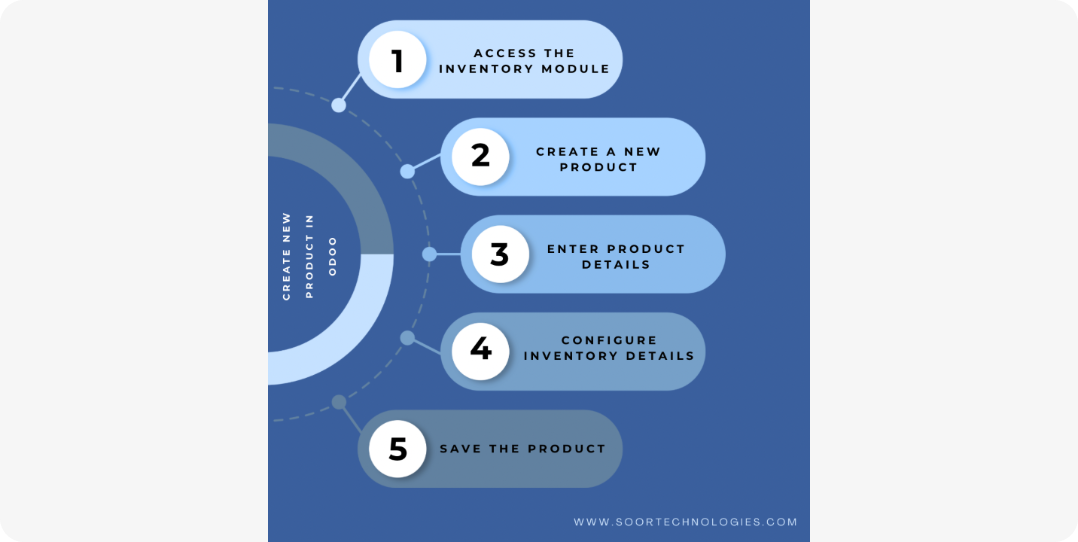
Implementing an Odoo ERP system can transform how a business operates but only if the project starts with clear, well-defined requirements. Many Odoo projects in Kuwait and across the wider Gulf region struggle because requirements are gathered too quickly, incompletely, or based on assumptions instead of real business processes. In this article, we'll explore the most common requirements elicitation challenges in Odoo ERP projects and practical ways to tackle them.
Why requirements elicitation matters in Odoo
Requirements elicitation is the process of discovering what a business actually needs from its ERP system, not what someone thinks it needs. For Odoo, this means mapping real workflows (Sales, Inventory, Accounting, HR, and related areas), identifying pain points and automation opportunities, and aligning Odoo modules with specific business goals.
When requirements are unclear or poorly documented, the risk increases of scope creep and budget overruns, misaligned customizations that don't match real-world usage, and user dissatisfaction and low adoption after go-live.
Strong requirements at the start help ensure that your Odoo implementation delivers real value, not just technical features.
Common requirements elicitation challenges in Odoo projects
1. Unclear or changing business goals. Often, stakeholders say, "We want Odoo to handle everything," but they cannot clearly define what "everything" means. Without specific goals, the project lacks focus and becomes reactive rather than strategic. Signs you're facing this challenge: stakeholders describe the system in very broad terms, and requirements change frequently during the project.
2. Multiple stakeholders with conflicting priorities. In many organizations, departments such as Finance, Sales, and Operations have competing priorities. Sales may push for fast quoting and quick approvals, while Finance insists on strict controls and audit trails. If these priorities are not reconciled early, the Odoo configuration will satisfy no one fully.
3. Lack of documented processes. Many companies still rely on informal, undocumented processes. When you ask, "How do you do this today?" the answer is often, "We just do it." This makes it hard to design an Odoo workflow that truly replaces the old way of working and adds measurable efficiency.
4. Assumption-driven requirements. Instead of observing real workflows, some projects jump straight to solutions: "We need this form in Odoo" or "We need this report." Without understanding the underlying business need, you risk building features that go unused or create new bottlenecks.
5. Over-expectation of "one-size-fits-all" Odoo. Odoo offers many powerful modules, but it is not a magic template. Businesses sometimes expect out-of-the-box Odoo to fit their unique processes perfectly without any configuration or training. This leads to frustration when reality requires tailored setup and user adaptation.
How to tackle requirements elicitation challenges
1. Conduct structured discovery workshops. Bring stakeholders together in focused sessions to define clear business objectives for the Odoo implementation, list key processes (Order to Cash, Procure to Pay, and similar), and agree on success metrics (faster reporting, reduced manual data entry, fewer errors). These workshops create shared understanding and help prioritize features instead of collecting every nice-to-have.
2. Use AS-IS and TO-BE process mapping. Before configuring Odoo, document how processes work today (AS-IS), even if they are informal, and how they should work after Odoo is live (TO-BE). This mapping helps you identify gaps and inefficiencies, define what Odoo must support or change, and communicate changes to users more clearly.
3. Write user stories, not just feature lists. Instead of "We need a report," write user-centric sentences such as: "As a sales manager, I want to see daily sales by region so I can track targets." User stories keep the focus on business value and make it easier to configure Odoo views and dashboards that match real user needs.
4. Validate requirements with scenarios. For each requirement, test it with realistic scenarios: what happens under normal conditions, what if an order is urgent, what if a customer wants a discount beyond the standard limit? Scenario-based validation reveals edge cases and helps you design Odoo workflows that are robust, not just theoretically correct.
5. Control scope with clear prioritization. Use a simple framework such as Must-Have / Should-Have / Could-Have to separate core Odoo functionality from nice-to-have customizations, focus configuration on the most critical processes first, and plan future phases for less urgent features. This keeps the project manageable and allows you to deliver visible value quickly.
Odoo-specific tips for better requirements
Map modules to business processes. Clearly link each Odoo module (Sales, Inventory, Accounting, HR, and so on) to specific business processes so stakeholders understand how functions will be distributed. This also makes it easier to demonstrate ROI to decision-makers.
Clarify integration needs early. If Odoo must connect with other systems (banking platforms, POS, third-party tools), capture integration requirements upfront to avoid last-minute surprises. Early planning reduces technical debt and keeps the project on schedule.
Define data-migration rules. Decide which historical data is needed, how it will be cleaned, and how it will be loaded into Odoo. Many Odoo projects fail to meet expectations because of poor data-migration planning, not because of missing features.
Plan for user training and adoption. Good requirements don't just cover features; they also include how users will be trained and supported. Proper training and change management significantly improve long-term Odoo adoption and user satisfaction.
Call to action for SOOR Technologies
If you're planning an Odoo ERP project in Kuwait and want to avoid requirements-related delays and misalignment, start with a structured discovery process. At SOOR Technologies, we help businesses capture clear, actionable requirements and translate them into well-configured Odoo implementations that match real-world workflows in Kuwait and the wider Gulf region.
Contact SOOR Technologies today to schedule a requirements-elicitation workshop and ensure your Odoo ERP project starts on the right footing.